Frontier: Harping on about Canadian History

Starring Jason Momoa, Frontier explores the pluralistic conflicts defining Canada’s fur trade in the late 18th century. From a historical and ethical perspective, how does the show’s cultural authenticity stack up?

Warning: this article contains light spoilers about events depicted in Frontier

By Serena Ypelaar

It’s often said that there are two sides to a story.

But that’s not true: there are many sides to a story, and Frontier proves it’s possible (though difficult) to tell them.

I’ve been waiting to write about Frontier since before The Mindful Rambler was founded. Anyone who knows me knows I have an enduring love for early Canadian history … and in 2016, Discovery Channel and Netflix miraculously created a television show about it!

Set in the late 18th century in what is now Canada, Frontier centres on locations such as Hudson Bay, James Bay, Montréal, Fort James, and the wilderness. Indigenous peoples have lived on the land since time immemorial, long before European settlers arrived – a fact which is starkly portrayed in the series. The show stars Jason Momoa (also Executive Producer) as Declan Harp, a half-Cree, half-Irish trader who, for deeply personal reasons, seeks to destroy the Hudson’s Bay Company (HBC)’s oppressive monopoly on the fur trade.

Jason Momoa plays Declan Harp, a half-Cree, half-Irish fur trader on a mission to topple the Hudson’s Bay Company’s monopoly. Photo: ScreenerTV

There’s a plethora of “New World” films/shows out there, many of which are inevitably framed from the perspective of newly arrived colonial settlers. But it’s not inevitable to tell the story that way. Frontier is an example of what happens when you incorporate multiple perspectives and, crucially, spend time on authenticity. Though its storytelling and pacing is less than perfect, Frontier‘s diversity and inclusion is noteworthy and fairly well-done.

Indigenous and pluralistic representation

Today, Canada is populated by diverse cultural and linguistic groups, which was also the case during the 1770s. Frontier showrunners Brad Peyton, Rob Blackie, and Peter Blackie take care not to fall into the trap of depicting Indigenous peoples as one and the same – throughout its three seasons, we’ve seen Cree, Haudenosaunee, Métis, Inuit, and more nations – acknowledging that they do not comprise just one singular culture or identity.

Whenever I talk about Frontier and Jason Momoa playing an Indigenous man, people often ask “but isn’t he Hawaiian?”

“Yes, Momoa is part Native Hawaiian, but he’s also part Native American on his mother’s side,” I say. You’d be surprised how skeptically people react to that answer. There’s a definite issue with saying someone is not “_________ enough” to identify with their heritage (I know from experience, as a mixed individual). To say that anyone who is part First Nations, part Inuit, etc. isn’t “Indigenous enough” is akin to telling a mixed English/Scottish Canadian that they aren’t allowed to identify as Scottish. People who are part Indigenous are Indigenous and have a right to their culture.

Momoa is heavily invested in sharing the experiences of Indigenous peoples in North America. Though working in London at the time, he was vocal during the #NoDAPL protest in North Dakota in 2016; he also starred in Road to Paloma (2014), which exposes the systemic dangers to Indigenous women in the United States. And now, on Frontier, he’s helping portray Canadian history from an Indigenous vantage point. Momoa’s Instagram posts demonstrate how he advocates for Canadian history as I’ve never seen in another American. His work in Frontier contributes to the preservation of Canadian history from multiple perspectives.

Frontier also emphasizes linguistic diversity. Métis/Saulteaux-Cree actress Jessica Matten, who plays Harp’s sister-in-law Sokanon, learned two specific Indigenous languages for the show:

I’m mainly speaking Swampy Cree and also Ojibway to reflect Sokanon’s eclectic upbringing, born an Ojibway woman but raised amongst Métis, Cree, Scottish, French people on Turtle Island [North America]

Jessica Matten, Instagram post

Matten also provided creative direction in depicting the sale of Indigenous women to white settlers (as “country wives”).  The portrayal of these realities mirrors today’s issues with missing and murdered Indigenous women.

Brother- and sister-in-law Harp (Jason Momoa) and Sokanon (Jessica Matten). Photo: Edmonton Journal

In early North America, intermarriage also occurred and is portrayed in Frontier, another nod to authentic representation. Irish settler O’Reilly’s wife Kahwihta is Haudenosaunee (married under frankly sinister circumstances), and Sokanon and Michael Smyth (Landon Liboiron)’s budding yet troubled romance reflects the effects of the influx of fur traders on traditional lands. Nevertheless, Indigenous women – and almost all the women on the show – are depicted not as helpless victims but as clever and resourceful fighters. Frontier doesn’t shy away from the HBC’s violent behaviour that caused lasting trauma and grief for Indigenous peoples either, as depicted in the opening of season three, when the HBC is shown raiding and assaulting a Métis village.

Even amidst the fur trading companies, pluralism is the name of the game. There’s Declan Harp’s Métis-fronted Black Wolf Company, working directly against the HBC. The Scottish Brown brothers (Allan Hawco – also Executive Producer – and Michael Patric) are rivals to Carruthers & Co., managed formidably by Elizabeth Carruthers (Katie McGrath) after her husband’s death. Samuel Grant (Shawn Doyle) and Cobbs Pond (Greg Bryk) are Americans established in Montreal, and Michael Smyth, an impoverished Irish stowaway, joins Harp’s company. Englishman Lord Benton (Alun Armstrong), a fictitious governor of the HBC who loosely represents the company’s real-life actions, is portrayed mercilessly – on Frontier, the HBC is held accountable for its historical misdeeds.

Irish trader Michael Smyth (Landon Liboiron), Harp’s protegée, with Sokanon (Jessica Matten). Photo: Rotten Tomatoes

The show flounders in its portrayal of Black loyalists in Canada, however. Charleston (Demetrius Grosse) flees enslavement in the United States and falls in with Harp, but he is (SPOILER ALERT) the first to die in an overseas voyage – a typical trope in Hollywood movies (Black Dude Dies First trope). The two Black characters only play supporting roles; Josephette (Karen LeBlanc) is a close associate of Elizabeth Carruthers (Katie McGrath) but eventually takes on the bulk of the company management when Elizabeth’s new husband Douglas Brown (Allan Hawco) drives it into the ground. If Josephette were given a larger role, her character could thrive in the limelight. 

A new Frontier for Canadian history

While Frontier is undeniably flawed, both in a storytelling/pacing sense and an accuracy sense, I think its merits outweigh its detractors. The show illustrates (and popularizes) a long-distant era of Canadian history and emphasizes the facets of the fur trade economy. Most importantly, without glorifying colonialism, it depicts the conflicting interests of the different individuals and groups trying to live off the land – and in some cases, exploit it. It features Indigenous languages, celebrates women’s autonomy, and inspires awe – there was a lot going on in the Hudson Bay region.

Warts and all, Frontier proves that Canadian history is by no means boring.
This article is part of a larger series discussing storytelling in the television show Frontier. As a mainstream adaptation of early Canadian history available worldwide, Frontier examines the pluralistic past and colonial legacies that still shape Canada today. Read the rest of the series here.

Extremely Wicked, Shockingly Evil and Vile: Portraying a Killer

Zac Efron is playing Ted Bundy in a film. Some think the casting glamorizes the notorious serial killer, despite Bundy’s factual reputation as a deadly yet charismatic deceiver. In this unique case, is it unethical to be accurate?

Warning: contains mention of violent crime and may be disturbing for some readers.

By Serena Ypelaar

“Can we please not glamorize a killer?”

That was the online response from many after seeing the teaser trailer in which Zac Efron plays infamous serial killer Ted Bundy in the upcoming film Extremely Wicked, Shockingly Evil and Vile.

I agree – we don’t want to promote or celebrate murderers. But is accurately depicting a killer the same as “glamorizing” them?

Though the film follows the perspective of Bundy’s long-term girlfriend Elizabeth Kloepfer (Lily Collins), audiences are unsurprisingly fixated on Efron’s portrayal of Bundy.

Joe Berlinger, who also put together the four-part Netflix docuseries Conversations with a Killer: The Ted Bundy Tapes (2019), directed the film. The true crime docuseries features audio of interviews with Bundy while he was on death row.

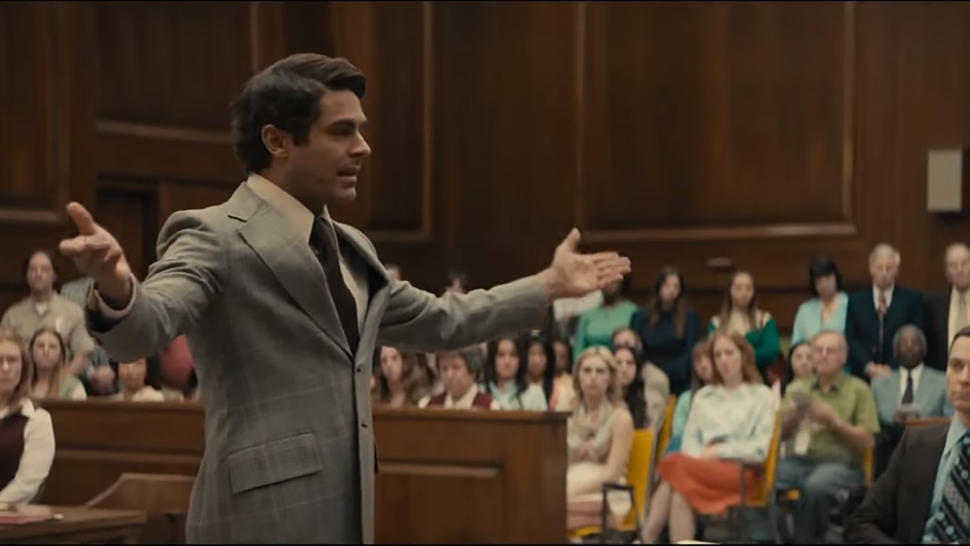
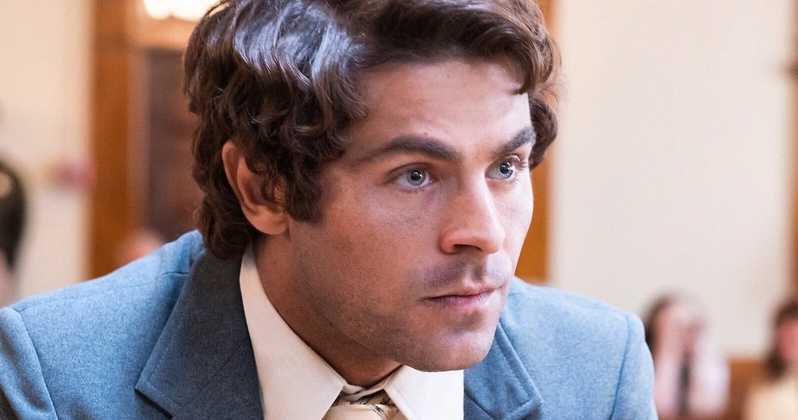
Zac Efron as notorious serial killer Ted Bundy in Extremely Wicked, Shockingly Evil and Vile. Photo: Daily Express

Bundy was active throughout the United States between 1974 and 1978, murdering and raping upward of 30 women in seven states. He escaped from prison twice but was eventually convicted and sentenced to death. He was executed thirty years ago, on 24 January 1989 at Florida State Prison.

I understand where our concerns are coming from. Somehow, there’s a real threat of people becoming infatuated with murderers. On the surface, it doesn’t seem like a great idea to cast a charming, good-looking actor as a depraved killer. What does that impression promote?

The truth is, Bundy was handsome. He was charming. And he used his personality to make people trust him, from his victims – whom he persuaded to accompany him to his car under the guise of disability, usually using a sling or crutches – to people who knew him. Friends, partners (Kloepfer, and later Bundy’s wife Carole Ann Boone, whom he married at one of his trials), and his mother all thought there was no way he could’ve committed such grisly crimes. Kloepfer eventually contacted the police with some vague suspicions, but Bundy still got away with a lot under her nose. His charm inevitably fuelled her denial for years; he was a skilled and charismatic manipulator. Bundy wanted people to believe he was just an average guy, and he maintained the lie of his innocence until just before his execution.   

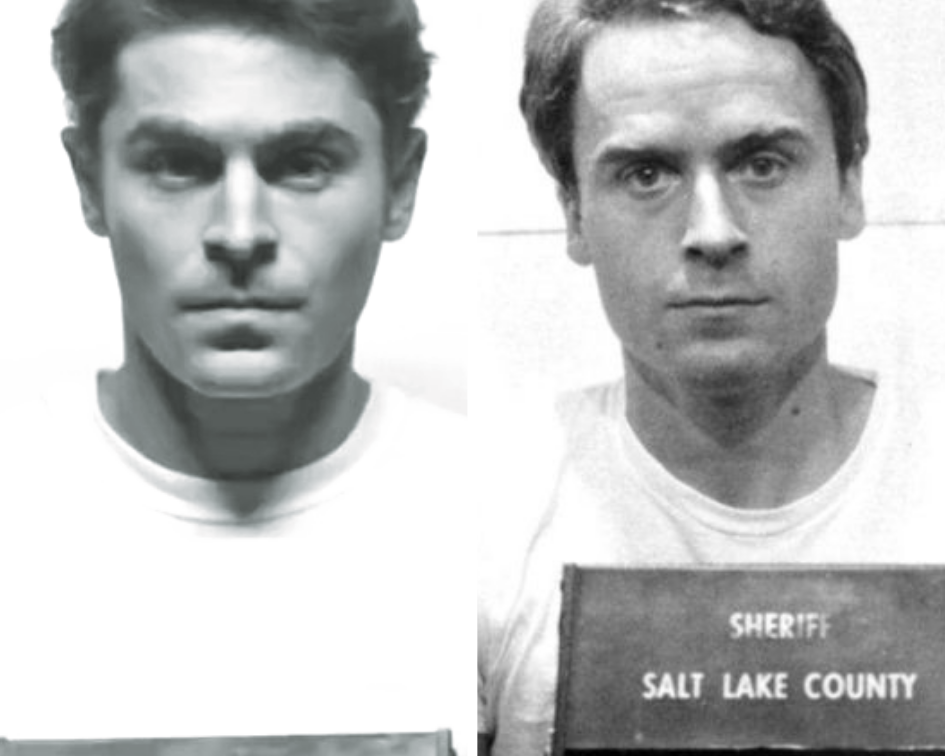
Zac Efron as Ted Bundy, compared alongside Ted Bundy himself.

So couldn’t it be that Zac Efron is actually the perfect choice for the role? I was skeptical at first, but after watching Conversations with a Killer, I changed my mind. Efron and Bundy even look alike; Efron claims they even have some of the same mannerisms.

I believe that in order to show him exactly the way he was, it’s not really glorifying him. I think hopefully it will make women … be more aware of their surroundings and be cautious. He had different tactics that he used for people to help him get in cars or do things, and in your gut, if you just feel that something doesn’t feel right, just say no.

Kathy Kleiner Rubin, one of Bundy’s survivors, doesn’t have a problem with the film

It’s important for us to try to understand, or at least recognize, how serial killers like Ted Bundy operate. The uncanny ability to convince people around him (as well as those avidly following his case in the 1980s) that he was wrongfully accused is troubling. Bundy himself said in Conversations with a Killer that “people don’t realize that murderers do not come out in the dark with long teeth and saliva dripping off their chin.” They have a chameleon-like talent for blending in (“The Bundy Effect”). If the film depicts this trait in Bundy without sensationalizing details, it won’t be glamorous; it’ll be truthful.

Understanding how serial killers deceive, and people who do evil deceive, really is kind of the theme of the film.

Director Joe Berlinger

We are in control of our own opinions. As long as we, the viewers, are conscientious and aware of context, we can watch films without falling prey to misinformation. It all comes down to critical thinking, which is our responsibility. In a pre-internet era, I can see how a film that seemingly glamorizes Bundy (or shows him accurately as the charismatic liar he was) could run the risk of misleading people. But we live in an age where a quick Google search can set the facts straight, if the movie doesn’t do that to begin with. We just have to make sure we commit to learning ethically and questioning sources.

Photo: Google News

As always, I’ll reserve final judgement on the film until it gets released. I hope it doesn’t simplify Bundy’s disconcertingly complex personality. I kind of think our deep-seated concerns may end up being less about “glamorizing” the killer and more about how the killer was able to glamorize himself. Extremely Wicked, Shockingly Evil and Vile thus has a huge opportunity to be very telling about sinister individuals and their ability to blend in.

I Hope It’s a Funny Depression

As the stigma around mental illness lessens, more and more comedies have begun to tackle the subject. We take a look at how humour can be a powerful way to express the inexpressible darkness of depression.

By Adriana Wiszniewska

Why are funny people so sad? Sounds like the setup to a joke, but it’s a serious question.  Some studies have shown a link between stand-up comedy and depression, with one study suggesting comedians are more likely to have “psychotic traits” associated with schizophrenia and manic depression. There have certainly been a number of high-profile comedians who have struggled with mental illness or succumbed to it. Even putting those cases aside, many comedians find humour in really dark or serious material, pushing the boundary of what’s funny. Is it that naturally funny people are somehow more susceptible to mental illness? Or is there something about dark subject matter that lends itself to comedy?

I can’t speak to the accuracy of those studies and I’m definitely not suggesting that mental illness is a prerequisite to being funny or being an artist. But I can speak to my own experience. I was anxious and depressed for a long time, including most of high school. But if you took a look through my yearbook, you’d see that almost everyone, friend and acquaintance alike, echoed the same thing: I was really funny. That was, apparently, the lasting impression I left on people during one of the darkest periods of my life. So how do we reconcile laughter with loneliness and self-loathing?

There’s a theory of humour which states that humour comes from incongruity. That is, things are funny when they upend our expectations. And what could be more incongruous than a sad clown? A funny person who’s really broken inside?

Maybe it’s that unexpectedness that has led more and more comedies to depict mental illness. One of the best representations of depression I’ve ever seen, in fact, comes from a sitcom. You’re the Worst is about Jimmy and Gretchen, two self-destructive and, by all standards, awful people who fall in love and attempt to navigate a relationship. In its second season, though, You’re the Worst did something few comedies have tried, let alone in such a nuanced way. Gretchen, we find out, is clinically depressed. Rather than shy away from it, the show explored the reality of depression and of loving someone who can’t be “fixed,” and it did so in a way that was real and heartfelt without sacrificing its humour. That’s an extremely delicate balancing act.

mv5bnzm5zwm0otgtntdmni00mjzjltg1ywmtztrhymi0odyxyme2xkeyxkfqcgdeqxvymjyyodq0otq@._v1_
Gretchen (Aya Cash) day drinks, lashes out, and eventually opens up about being depressed in You’re the Worst. Photo: IMDb

You’re the Worst isn’t the only show to walk that tightrope in recent years. Bojack Horseman, an animated comedy series about a once-celebrated but now-disgraced TV star (who is also horse-man), gets similarly real about mental illness. As does the brilliant musical-comedy series Crazy Ex-Girlfriend, which mines its protagonist’s mental illness as as source of comedy without ever reducing her to a punchline because of it. Even a blog like Allie Brosh’s Hyperbole and a Half, published as a book in 2013, used humour and crude MS paint drawings to explore depression. Maybe that’s not enough to qualify as a trend, but I think there’s something potent about the combination of humour and darkness. There’s power in laughing at the things that haunt us.

nuanced_gif
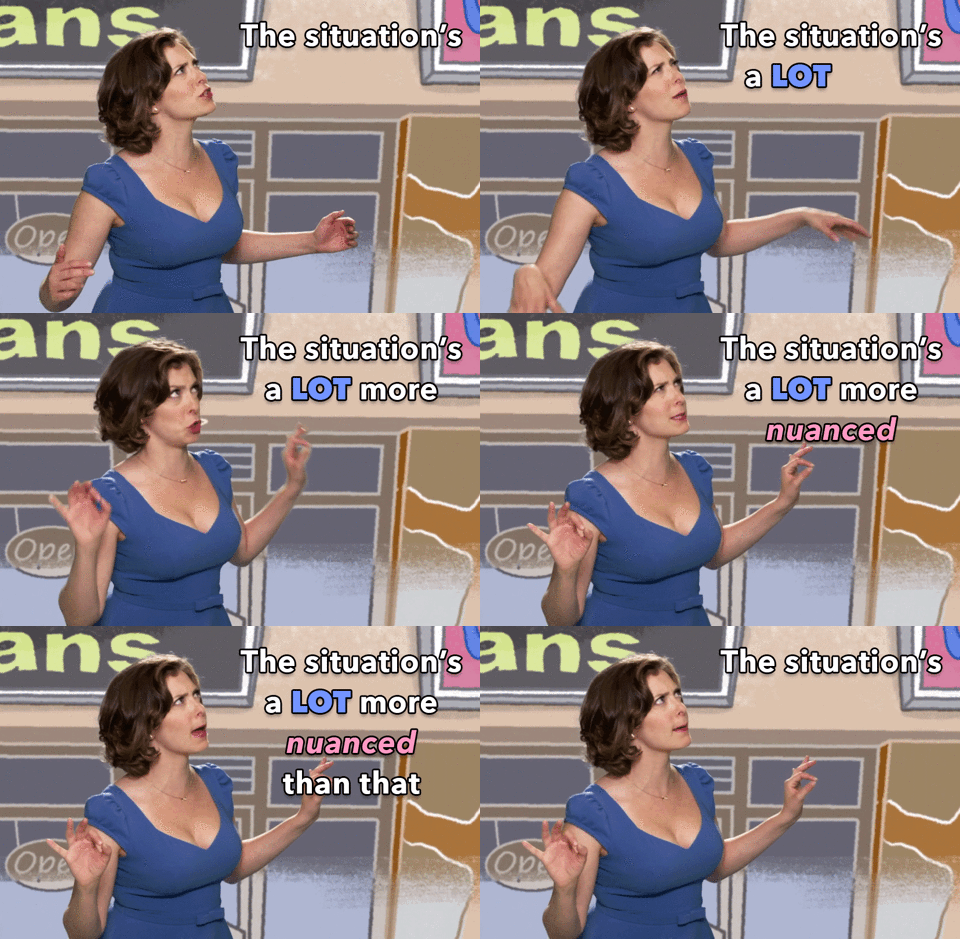
Mental illness is nuanced and requires equally nuanced representation (from Crazy Ex-Girlfriend). Photo: Giphy

So why is comedy such an apt vehicle through which to express sadness? I don’t really have an answer. But art is often about connecting with the experiences of others in ways that are transcendent and ineffable. Maybe encountering this particular experience through comedy can help us understand it better or just lessen the burden. Maybe it’s simply about finding light in something unbearably dark.

Long Story Short, You Can’t Control Everything

Though storytelling is highly personal, it thrives on human interaction and the sharing of experiences, making storytelling and interpretation inherently collaborative processes.

By Serena Ypelaar

“You can’t control what others think, but you can control what you put out there.”

This idea is something a lot of people carry around, and it has a special relevance when we think of how we’re surrounded by stories. As we enter a brand new year of The Mindful Rambler, I’d like to reframe the discussion on storytelling and interpretation – and the methods of both processes – which we’ve been examining here on the blog.

In telling a story, whether it’s for entertainment, healing, documentation, critical analysis, or otherwise, there’s always a lot of pressure around how it will be received. Will people like it? Will they get it? Will they take from it the information you’re hoping to impart?

Shakespeare definitely distilled some information down when he wrote his history plays, inciting a multitude of different interpretations.
Photo: Giphy

I experience that pressure whenever I write something. Anything I write can be interpreted, misinterpreted, and reinterpreted, and the truth is that my writing won’t exist entirely under my control once it’s out there. Every person who hears a story brings their own unique experience to it, creating something new. Two people who read the same book, for example, might see it in completely different ways, meaning that the result – the experience of storytelling – actually becomes a hybridization, a meeting place between the “teller” and the “listener”. Storytelling is the act of bringing one’s story, through words, images, sound, and other sensory outputs, into being outside of one’s self.

To avoid delving too far into the abstract, I’ll use an example. If someone is describing a place while telling a story, they’ll describe it as best they can noting features they feel are important to the story or of personal value to them. The person listening to the story will then construct their own interpretation of the event, incorporating their past experiences, feelings, biases, and assumptions. In short, the story is changed by the listener’s reception of it. Every single person hearing that story will have a different conceptualization of it, and a different understanding.

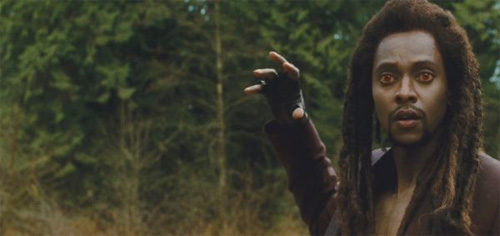
It’s the same with novel writing. Writers describe a character, for instance, and we, the readers, each construct a mental image of that person (and then get angry when the film casting doesn’t match that). I don’t know how many people I heard, back in middle school, ranting about how they definitely, totally did not picture Robert Pattinson when they dreamed up Twilight’s Edward Cullen in their heads. There are also race-based biases toward literary characters which often become clear when a person of colour is cast as a character many assumed would be white (like the vampire Laurent from the same franchise), racial prejudices becoming evident with readers’ indignation.

As demonstrated by their reaction to Edi Gathegi being cast as Laurent, Twilight‘s preteen fanbase did not want a diverse cast for the 2009 film adaptation… and, according to director Catherine Hardwicke, neither did the author (Stephenie Meyer) herself.

Irrespective of a story and its content, creators must become comfortable with the notion that each person who hears their story is going to see something different. There’s no way a storyteller can construct their tale in a way that guarantees uniform interpretation. Attempting to do so can result in over-describing something and alienating readers by unconsciously (or consciously) trying to harness control over their perceptions. It’s possible to use photographs to aid a visual picture, for instance, but these will still foster further imaginings on the part of the listener. Gaps in information will be filled independently – so the point is not to describe every single thing that is within you, but rather what is important to the story. That’s how we get such engaging stories, whether in literature, history, entertainment, art, memoir, or otherwise. Allow the listener to meet you halfway, and together you can share the experience while expressing trust in another person.

Maybe that’s why storytelling is so important to us – on an instinctual level, it allows us to connect with each other and find common ground.

It’s Raining Men in the Harry Potter Franchise

With the release of the newest Harry Potter film, Fantastic Beasts: The Crimes of Grindelwald, we take another look at representation in author J.K. Rowling’s works in this installment of the Critiquing Harry Potter series.

By Serena Ypelaar

“Strong women” is a phrase we hear a lot, especially regarding film and literature. The desire to see strong women in entertainment (and the misunderstanding of what a “strong” woman actually is) sets up unrealistic standards for female characters and their real-life counterparts. Irrespective of these confining notions, empathy and vulnerability are traits that make women strong, not weak. A profound emotional complexity encapsulates what it means to be human, to live, and to persevere through adversity.

J.K. Rowling has promoted female complexity to an extent through Harry Potter characters such as Hermione Granger, Ginny Weasley, Nymphadora Tonks, Luna Lovegood, Cho Chang, Fleur Delacour, Angelina Johnson, Minerva McGonagall, Lily Evans, Molly Weasley, Narcissa Malfoy, Bellatrix Lestrange, and even Lavender Brown, all of whom have diverse personal attributes that make them uniquely human. Some are leaders, some are learners, some warriors, and some nurturers, but all of them feel. So do men, of course – yet male emotion is sadly suppressed as weakness in our society.

nlt
Brothers Theseus (Callum Turner) and Newt Scamander (Eddie Redmayne) interact while Leta Lestrange (Zoë Kravitz) looks on. In J.K. Rowling’s latest spinoff, men still dominate the story, women are supporting characters, and non-binary characters aren’t included at all. Photo: Entertainment Tonight

Critically examining all aspects of Fantastic Beasts would take days, so keep in mind that I’ve tried to confine the scope of my analysis to gender here. Given that J.K. Rowling is a woman writing in the 21st century (though her latest story is set in the 20th), I’d expected her to feature a female lead this time around. Despite the many complex female characters in the Harry Potter books, Rowling never struck me as going all the way to give women full representation. The majority of the major characters are men, after all, and the few women who are given significant roles are almost all white. In today’s political climate, the time is ripe to focus on feminism and gender equality. Some might argue that it’s Rowling’s responsibility as an influential woman to present more female role models, and I won’t even get started on non-binary characters because that evidently seems too much for Rowling to consider. Ezra Miller, who is a queer actor, does play Credence Barebone in Fantastic Beasts, but Credence is referred to as male in the films – we don’t have any evidence that Rowling understands or wants to include the lived experience of genderqueer individuals. Instead, Rowling safely elected to feature Newt Scamander, widely acclaimed Magizoologist – and a dude.

fb
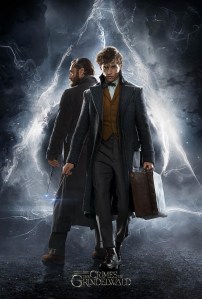
An early promotional poster for Fantastic Beasts. The core three characters of this film – Dumbledore (Jude Law), Newt (Eddie Redmayne), and Grindelwald (Johnny Depp) are male. Photo: Flickr

If the secondary characters were all female it might be less of an affront that Rowling went with a story about another man, but I can’t really defend her there. Just like Harry, Ron, and Hermione, Newt is surrounded by other male leads. In The Crimes of Grindelwald specifically, we have No-Maj (Muggle) Jacob, Newt’s brother Theseus, Credence, and then the big ol’ showdown between future Hogwarts Headmaster Albus Dumbledore and European powerhouse tyrant Gellert Grindelwald, the darkest wizard on the world stage before Lord Voldemort’s time. As you can see, lots of testosterone floating around.

Of course, the Goldstein sisters Tina and Queenie figure into the storyline, this time alongside Leta Lestrange and *SPOILER ALERT* Nagini (to whom I’ll probably devote a whole other post in the future). It’s not that the women are there, however, that checks the proverbial box of so-called gender parity; as I argued in my article on ethnicity, it’s what they do that matters. In the first Fantastic Beasts film, Newt and Jacob were the top-billed characters in the plotline, with Tina and Queenie playing supporting roles. Likewise, we know that the Dumbledore-Grindelwald relationship takes centre stage now. J.K. Rowling could just as easily have chosen a witch to work with Dumbledore for this spinoff series, but she didn’t, and men are still at the centre of the action. It strikes me as a bit disingenuous for a self-declared progressive female author, but I suppose our society influences our implicit expectations. All I can say without spoiling the film is that our girls Tina, Queenie, and Leta’s storylines heavily feature men and aren’t explored as in-depth as I would like.

There’s one possible upside apart from Newt’s own emotional vulnerability: Dumbledore and Grindelwald’s confrontation and the unravelling of their past. Such an interplay could do much to highlight LGBTQ2+ representation and men’s emotional depth if it’s properly explored. It is a shame that the only gay relationship we may see is an abusive and manipulative one, but nevertheless, this franchise will be very telling as to whether J.K. Rowling truly believes in diverse representation or is just trying to ride the wave.

So far she’s demonstrated a shocking hesitancy to give female, non-binary, or trans individuals representation, and I doubt we can expect anything that doesn’t feature a male lead from her soon.* For now, even as far as women – complex, wonderful, and important as they are – are concerned, I’m not convinced Rowling’s in it for the long haul. If she is, I’d like to see more action and agency from her non-male characters front and centre.

After all, actions speak louder than words, and Rowling’s approach to gender isn’t quite loud enough for me.

This article is part of the Critiquing Harry Potter series. Read about ethnic representation in the series here.

____________________________________

FOOTNOTES
*Just take a look at her Cormoran Strike novels under the penname Robert Galbraith, which also feature a male character.

No Mere Mortal Can Resist

Every October, Michael Jackson’s Thriller resurrects itself. Thriller’s sensory aspects transport and captivate us time and time again, making our hair stand on end even though we know we’ve heard the track before. 

By Serena Ypelaar

Hallowe’en is days away, which means I’ve had one particular track on repeat: Michael Jackson’s “Thriller”. Due to my strong personal convictions, I think this is one of the best tracks ever recorded, both as a standalone work of art and as a Hallowe’en staple. As I was listening for the umpteenth time, I decided I wanted to pay tribute to the masterful storytelling MJ demonstrates in the title track of his 1982 album.

thriller
Photo: BlogTO

I personally feel that everything about this song is unparalleled, for one key reason: “Thriller” weaves a scary story solely through audio (we’ll get to the video later). Visuals are a key element of our imagination, but “Thriller” harnesses the many possibilities of sound to prompt our own dreadful visions. How else does Jackson (along with producer Quincy Jones, songwriter Rod Temperton, and actor Vincent Price) use terror to allure us every time? Let’s break it down.

Sound & Senses

From the outset, the track’s many layers pull us into the King of Pop’s rich paranormal world. A coffin* opens. Wind blows and thunder crashes. A wolf howls in the distance. Footsteps fall …

The various sounds trigger our own associations based on what we’ve experienced and imagined in the past – each of us responds to these prompts in some way, with fear, amusement, or something else.

The soundscape is the backbone of the track. Sound effects support it throughout, littering the immersive narrative with sensory stimuli. The interlude in which Vincent Price reads a spoken word “rap” is overlaid with organ music, amplifying his deadly drawl. Evil laughter swiftly ends the song, and we hear the supposed coffin (or door) slam shut. All of these sounds combine to create a tapestry of horror, transporting us unwittingly into a haunted space of our own design.

* To me it sounds quite heavy, like a coffin being opened from within. But to you it may sound differently, like a creaky door. That’s what’s so wonderful about the track: we’re the ones building the setting based on the audio prompts we’re given.

Writing 

Rod Temperton’s lyrics strike listeners with vivid imagery that resurrects all manner of horrific creatures to shock you. I don’t know about you, but the diction makes me feel transported to a graveyard setting or similar. Such exacting language, written in the 2nd person point of view, situates us directly in the setting (“you try to scream … / you start to freeze …). We are the potential victim navigating the frightening landscape as we listen along.

The foulest stench is in the air
The funk of forty thousand years
And grisly ghouls from every tomb
Are closing in to seal your doom

Voice & Performance

As Jackson performs the lyrics, he dances around (no pun intended) the actual identity of the monsters of whose malice he warns. In doing so, he dwells in the fear of the unknown. We “hear a creature creeping up behind” but we don’t see it, just like we don’t see anything when listening to the track. We are just as blind and helpless as Jackson tells us we are, left to picture the lyrical demons in our own minds.

vincentprice
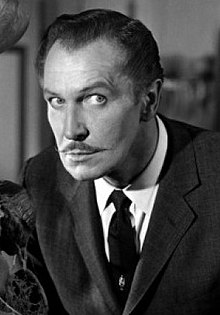
Vincent Price. Photo: Wikimedia Commons

If Jackson was threatening us with the imminent presence of evil, Vincent Price’s deadly voice is practically condemning. His chilling delivery does something Jackson’s higher-pitched voice could never achieve: it scares us senseless. If you didn’t think Price’s voice was sinister enough in speech, his diabolical laughter seals the entire track. The illusion is so carefully constructed that we are well and truly immersed – I still get chills.

Visuals

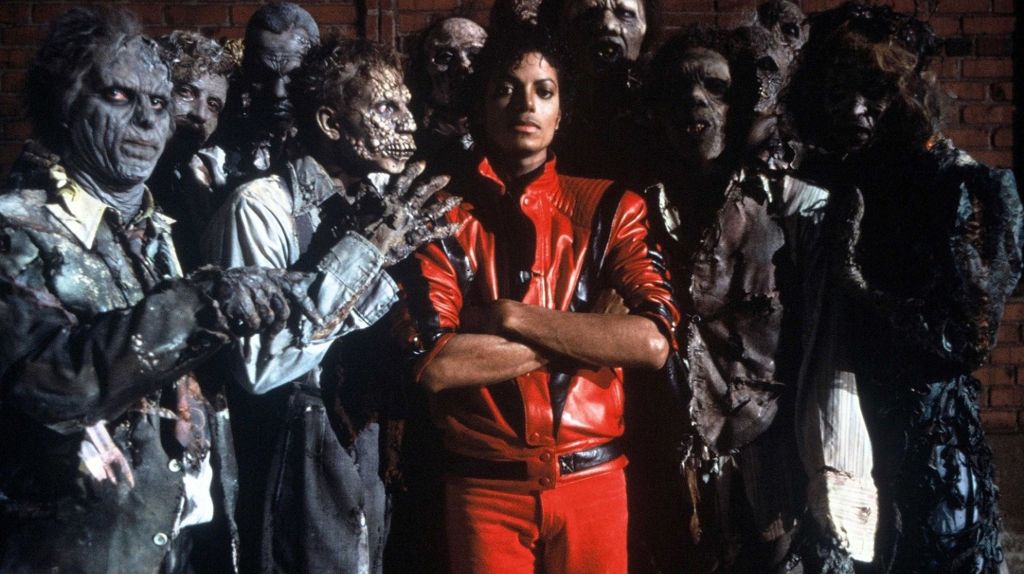
As much as I’ve praised “Thriller” the song for its auditory accomplishments, it would be a cardinal sin to overlook the 14-minute epic that serves as the music video. My mother reminisced that the 1983 premiere on MTV was such a big event that people skipped classes to watch it. It provides a visual narrative sequence with a surprising levity which somewhat offsets the audio, as well as the iconic “Thriller” choreography. However, you could argue that watching the short film detracts from the sonic experience I’ve just described – it’s a real treat to listen to the disembodied sounds/music and picture our own mélange of ghoulish chaos and fear. After all, seeing the video means that the darkness of the unknown is now illustrated, losing some of its mystique. But the music video is a spectacle in itself and deserves to be recognized.

michaeljacksonpopcorn
Michael Jackson’s iconic music video for Thriller is timelessly entertaining. Photo: Giphy

Whether you choose to watch the video or listen to the track, you’re guaranteed an interpretative masterpiece. But I stand by my veneration for the song in particular and its talents in transporting listeners without the need for visuals. Jackson’s “Thriller” isn’t just spectacular; it’s interactive. It’s both a trick of the mind and a treat to listen to. And that’s why it will thrill us for years to come.

And though you fight to stay alive
Your body starts to shiver
For no mere mortal can resist
The evil of the Thriller

At the Movies, Music is the New Sports

The recent proliferation of superhero movies leaves us with specific associations regarding blockbusters. Sports films had their heyday in the 1990s, but does the imminent release of Bohemian Rhapsody and Rocketman signal a resurgence of music biopics?

By Serena Ypelaar

Is there a sports team that everybody likes? No way.

Are there bands/musicians that (nearly) everybody likes? I think so!

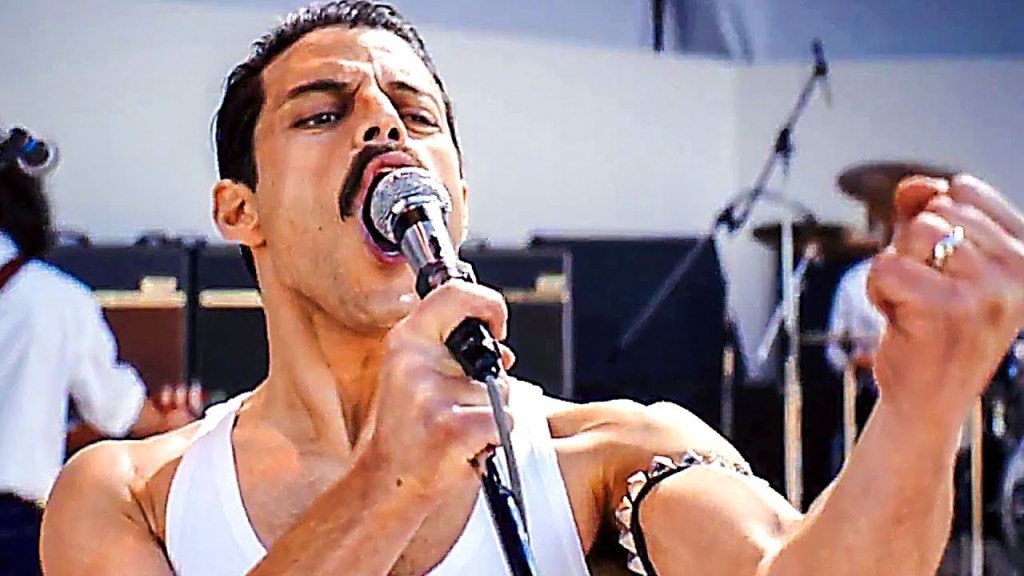
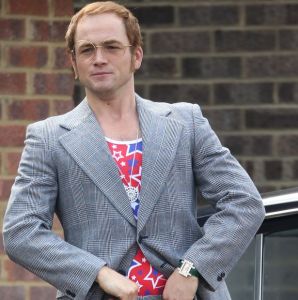
Why am I asking these questions? Mainly to posit a recent theory of mine that music biopics are the future of the film industry. The upcoming release of movies like Bohemian Rhapsody (2018), in which Rami Malek plays Freddie Mercury of the rock band Queen, and Rocketman (2019), starring Taron Egerton as Elton John, got me thinking about the marketability of popular cinema genres these days.

ramimalek
Rami Malek as Queen frontman Freddie Mercury in Bohemian Rhapsody (2018). Photo: YouTube

Ever since the Harry Potter films were finished (which in my completely unbiased opinion set the standard for franchise/adaptation blockbusters), I’ve felt like there haven’t been as many blockbusters that don’t wear thin. The creative industry of Hollywood seems increasingly stale with its endless superhero reboots. I feel sorry for the dead horse that is the Marvel franchise – it’s taken so many beatings over the last few years (Infinity War is aptly named). Just when you think nobody wants another superhero flick, people still flock to the theatres without fail.

taron
Taron Egerton as Elton John in Rocketman (2019). Photo: IMDb

Marvel keeps making the movies because people keep watching. Movies are creative, but they also have to sell, which is where formulas come in. With the ever-pressing need to make more high-grossing films, it looks like we might be in for an oncoming surge in music biopics.

Why do I think music flicks are so universally marketable compared to, say, sports? Well, for starters, I know from experience that sports are highly emotional, and at times, controversial.

  1. Not everyone likes sports. Nearly everyone likes music of some kind (correct me if I’m wrong).
  2. Of those who do like sports, they have a team/athlete they love, and teams/athletes they HATE. Just look around during the World Cup or the NHL – people are at each other’s throats over sports teams.
  3. The competitive nature of sports (win/draw/lose) is much different than the non-discrete, creative nature of music – it’s possible to like many genres without needing to “beat” others (award shows aside).

endofrelationship
Sports disagreements can loom large; there’s a deep sense of loyalty to one’s team that doesn’t hold as much emotional tension in music preferences. Unless you are Nickelback. Photo: Gifer

Maybe my evidence is anecdotal, but there’s a certain type of community that comes from music. There are songs that seem exempt from hatred, and it’s this phenomenon that I think makes music flicks much more viable than sport flicks. Not that there can’t be good sport films, but in terms of mass marketing, making a film about a timeless and popular band has a higher chance of box office success than a movie about a given sport, team, or athlete who has a smaller group of fans.

For instance: one of the most timeless songs of the twenty-first century so far is The Killers’ “Mr. Brightside”. I’d be hard-pressed to find a single person in my generation who couldn’t/wouldn’t belt out the lyrics at a moment’s notice (COMIN’ OUT OF MY CAGE AND I’VE BEEN DOING JUST FINE) upon hearing the opening chords. I wholeheartedly expect a Killers biopic in thirty years’ time titled Mr. Brightside, because what better way to bring in the masses than by using a tune that’s instantly recognizable and which personifies the band itself?

killers
Swimming through sick lullabies, choking on your alibis… Photo: WeHeartIt

It certainly seems to be the strategy that the teams behind Bohemian Rhapsody and Rocketman have employed. Based on the widespread popularity of both these musical acts, I almost wonder if the storyline even needs to be stellar, as long as the cast puts on a good show musically (just ask Mamma Mia!). The film industry is under pressure to deliver some fresh takes, but that doesn’t mean it won’t draw upon timeless old classics in a new light. After all, classics are guaranteed popularity.

Perhaps, based on the success of Bohemian Rhapsody and Rocketman, music flicks will take off – I certainly wouldn’t mind. May they pack a more satisfying punch than the exhausted superheroes can muster.

At Home with the Unhomely

By Adriana Wiszniewska

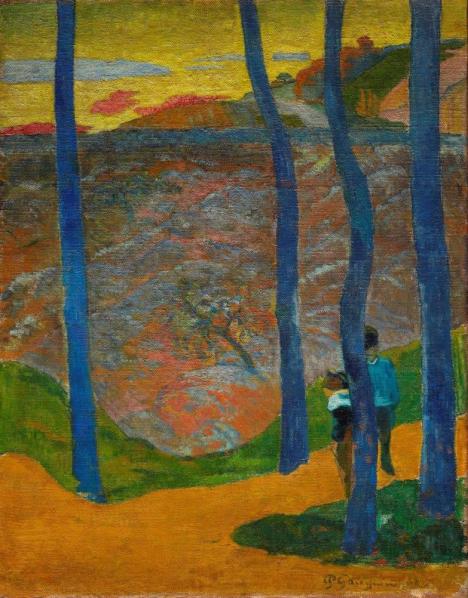
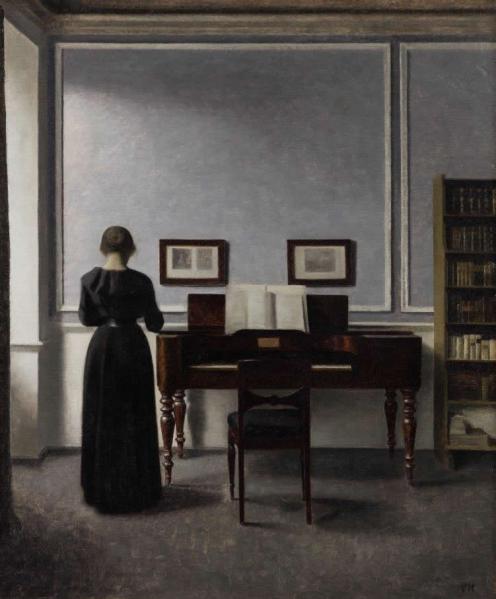
I recently had the chance to see the “Impressionist Treasures” exhibition at the National Gallery of Canada, and while the big names of impressionism were impressive, it was a lesser known painter of the Danish Golden Age who really caught my eye. I had never heard of Vilhelm Hammershøi or seen his work before, but after Cezanne’s airy landscapes and Gauguin’s striking primary colours, Hammershøi’s dark, muted interiors were a startling change of pace.

ordrupgaard-collection-10
Paul Gauguin, Blue Trees. Your Turn Will Come, My Beauty! (1888). Photo: National Gallery of Canada


ordrupgaard-collection-01_0_0
Vilhelm Hammershøi, Interior with Piano and Woman in Black. From the Artist’s Home at Strandgade 30 (1901). Photo: National Gallery of Canada

Hammershøi’s subjects were mundane and simple, but painted in such a way that made them seem cold and distant and mysterious. In his time, he was known as “the painter of tranquil rooms.” And they are tranquil, yes. But it seems to me that beneath the tranquility lies something a little darker, a little more unsettling. The rooms he painted are almost always empty. When a figure does occupy them—usually Hammershøi’s wife, Ida—her back is turned away from us, or else her face blurred, indistinct. Hammershøi’s paintings seem devoid of life, yet they remain evocative and alluring. Standing there in the gallery, gazing into a space that looked less than inviting, whatever tranquility I might have felt began to transform into something else.

The word that comes to mind is uncanny. Hammershøi takes the utterly familiar—his home, his wife—and makes them seem strange and disquieting—unfamiliar. Now, forgive me for invoking Freud, but he was onto something when he talked about the uncanny. According to Freud, “the uncanny is that class of the frightening which leads back to what is known of old and long familiar.” It’s the experience of discovering the familiar in what is strange and unknown. Think the uncanny valley—the closer a thing is to human likeness without actually being human, the creepier it seems to us. The same concept applies here. Hammershøi’s interiors are nothing if not uncanny. The longer you stare into his dim hallways and lifeless living rooms, the more unsettling they become.

Take, for instance, my favourite painting featured in the exhibition, The Four Rooms:


Vilhelm_Hammershøi-_Die_vier_Zimmer,_1914
Vilhelm Hammershøi, Interior. “The Four Rooms” (1914). Photo: Wikimedia Commons

At first glance, it seems innocuous. But there’s something just a little bit off about this painting. Doors hang open at different angles. Floorboards don’t quite line up. Lines are disrupted everywhere and there doesn’t appear to be a way out. It almost looks like when you hold up a mirror to another mirror, creating an endless reflection of frames. Rooms lead into rooms which ultimately lead nowhere.

It’s no coincidence that Hammershøi painted The Four Rooms in 1914, the year World War I began. People often think of the early twentieth century, and particularly the interwar period, as an Age of Uncertainty. But perhaps a better name might be the Age of the Uncanny. The Great War threw everyday life off-balance and what was once familiar became, well, unfamiliar. Like a house that is no longer a home. In this case, one we’re compelled to return to again and again because it unsettles us in all the right ways.

Advice After the Fact: What Historical Advisors Do Best

Historical advisors make sure the era-specific details of television and film are portrayed authentically. Using Downton Abbey as a case study, we examine the various aspects they consider when recreating a time period.  

By Serena Ypelaar

The approach of fall, and later winter, inevitably means one thing: More time indoors = more television = more period dramas.

In mainstream media, historical television has gained traction in recent years, with shows like Downton Abbey, Peaky Blinders, Poldark, Mad Men, and The Crown gaining cult followings. As a historian, I love a good period drama, since watching a fictional recreation of an era is one of the best ways to learn about it. Of course, being a historian means I’m also hung up on accuracy.

Did you know there’s a specific job in which people ensure period dramas are accurate? Those magical people are called historical advisors.

Not every show has one, but I’d like to argue the importance of such a role. In the most miniscule ways, historical dramas give viewers a vivid impression of life in a specific era. The details simply provide a backdrop for the overarching narrative, but if incorrect, they undermine the story and realism of the series. I’ve highlighted five key elements a historical advisor must oversee to help interpret history for television and produce a credible period drama. In the interest of time, all examples come from Downton Abbey, whose historical advisor Alastair Bruce has spoken publicly about his role.

downton
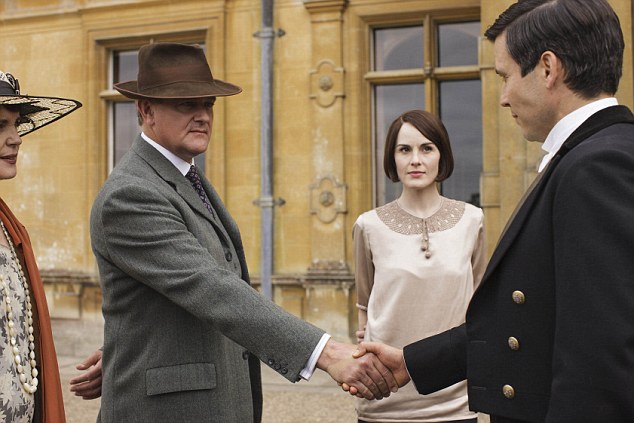
Ensemble cast of Downton Abbey, in Season 1 promotional image. From left: Jim Carter, Phyllis Logan, Siobhan Finneran, Lesley Nicol, Sophie McShera, Rose Leslie, Thomas Howes, Brendan Coyle, Joanne Froggatt, Rob James-Collier, Dan Stevens, Dame Maggie Smith, Hugh Bonneville, Elizabeth McGovern, Penelope Wilton, Michelle Dockery, Laura Carmichael, Jessica Brown Findlay. Photo: Flickr

Setting, set design, and technology 

Set in Edwardian England, Downton Abbey follows the aristocratic Crawley family and their servants in the eponymous great house. We’re treated with an (albeit rose-tinted) illustration of British society and its evolution from 1912 through 1926. It’s important that these shows capture setting in a way that transports viewers while avoiding anachronisms. Sets must be dressed with care, including items such as telephones, musical instruments, and furniture to highlight technological advances of the time.

Costuming, dress codes, and wardrobe etiquette 

dressing
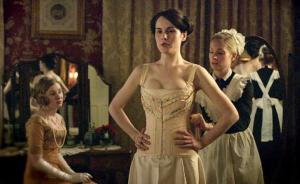
Downton Abbey capitalizes on portraying everyday aspects of life, such as dining or dressing, seen here. Source: Golden Globes

Perhaps the most universally enjoyed element of historical drama is the fashion. Historical advisors should ideally work with costume designers for accuracy, since clothing leaves a lasting overall impression. In an upstairs-downstairs series like Downton, the frequent act of the staff dressing their employers demonstrates how garments were worn. Alastair Bruce famously intervened in a scene in which newspaper man Sir Richard Carlisle shakes hands with Cora Crawley with his glove on. According to Bruce, gentlemen would always remove a glove before shaking hands.

Mannerisms, accents, and speech

Downton Abbey is located in Yorkshire, but you won’t hear the upper-crust Crawleys speaking with northern accents. Actress Michelle Dockery, who normally speaks with an Essex accent, had to adopt a measured drawl to convincingly play the aloof Lady Mary. Conversely, you’ll find the belowstairs staff using coarser dialects. Historical advisors must ensure consistency as well as monitor word choice in scripts, as some words weren’t commonly used yet. Physical mannerisms likewise illustrate character; the Crawleys and their peers would walk rigidly upright while the working class characters have a different gait, especially when relaxing “off-duty”. These details may seem insignificant to viewers, but when employed they can help teach us the nuances of how our forebears lived.

PBS_Alastair_Bruce
Downton Abbey’s historical advisor, Alastair Bruce. Source: Downton Abbey Wiki

Gender, race, sexual orientation, and class politics

Often, dynamics between people from different stations in life drive the tension in period dramas. Any good period drama will highlight change, usually in the form of innovation, social causes, and cultural shifts. It’s essential that historical advisors allow writers to capitalize on these changes without sacrificing legitimacy. In a series like Downton Abbey, where men and women of varying status and motivations interact in a large house, there are specific protocols which historically would have been followed – and which Alastair Bruce had to emphasize during filming.

Society, nationalism, trends, and overarching historical context

The wider historical backdrop is the linchpin. It shapes the characters’ outlook, values, and knowledge (How do they understand the world? What has happened at this point, and what is yet to come? Are they racist? Probably). National context, such as British sentiment during World War I, was crucial to understand while writing Downton. This is one area I feel Bruce and writer Julian Fellowes falter – not in the overall context, but in the mindsets of their characters. The Crawleys are astonishingly progressive for conservative landowners; certain characters exhibit a surprising lack of prejudice, which at times breaks the carefully crafted personas from their vantage point of a hundred years ago. Nevertheless, the motivation was undoubtedly to foster empathy, which in a television series is understandable.

thomas and the crawleys
So we’re supposed to believe that these wealthy conservative Britons living a hundred years before us have the same tolerant sensibilities of our time? Oooookay (but we love the outfits so we’ll suspend our disbelief, am I right?) Source: The Daily Mail

With prior knowledge of Fellowes’ planned storylines before each season, Bruce conducted preliminary research using specific case studies – in this case, country houses in England – to determine the aspects of life in a country estate like the fictional Downton Abbey. He then advised on the finer elements of the story’s execution.

As someone who writes historical fiction, I can relate. I’ve always found the storyline to be the core of a project – the steering wheel, so to speak – while the research, the actual historical facts, are the engine. The creator is the driver. In period television, the writer and historical advisor must copilot the vehicle if they are to arrive smoothly at their destination: a polished, realistic period drama that will appeal to laymen and historians alike.* Granted, Downton Abbey is certainly not without its critics (myself included when it comes to the later seasons), but the showrunners’ meticulous attention to detail does it credit.

*Fans of Downton Abbey will hopefully forgive me for my tactless use of a car metaphor – it just came to me as I went. Trust me, I know it’s a sore spot, as I myself haven’t quite gotten over The Incident from the 2012 Christmas special…

Historical Looks on Film: A Rant

Period dramas often fudge the accuracy of historical costumes, resulting in possible misconceptions and a flawed feel. But what happens when a series puts the work into capturing period-specific attire?

By Sadie MacDonald

Let’s talk about a trope I am resentfully fascinated by: inaccurate fashion in historical films. Many such films reflect the standards of attractiveness at the time they were made, often at the expense of historical accuracy.

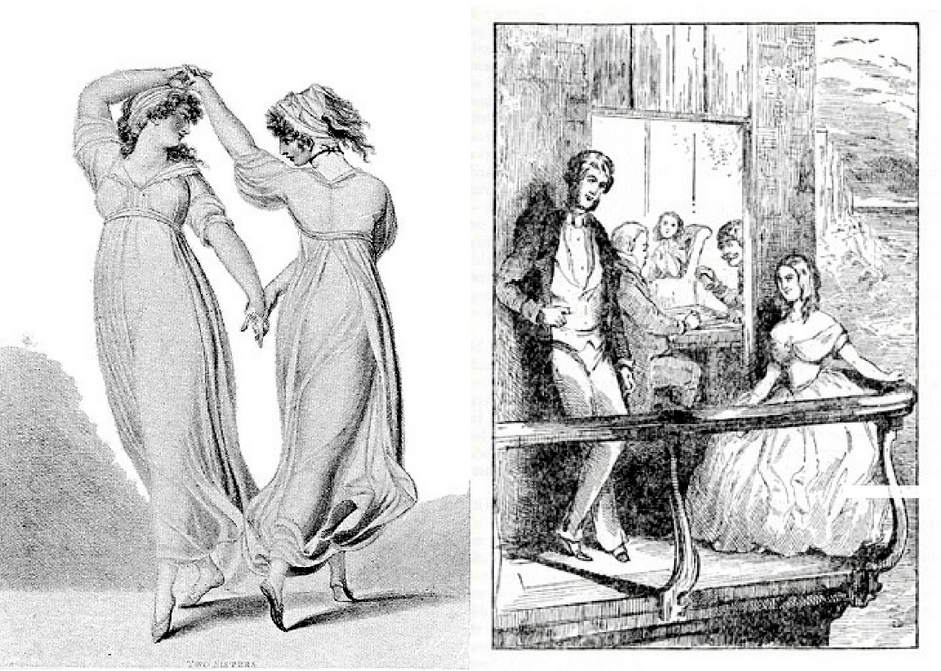
This trend isn’t new. William Makepeace Thackeray’s illustrations for Vanity Fair show the characters in contemporary 1840s fashion rather than Regency attire, as Thackeray claimed “I have not the heart to disfigure my heroes and heroines by costumes so hideous.”

Untitled design
On the left, apparently “hideous” costumes, and on the right, one of Thackeray’s… improvements. Photo Credit: Left, Sisters Dancing, Marino Bovi; right, A Family Party at Brighton, William Thackeray, scanned by Gerald Ajam.

Let’s start off our look at film examples with Disney. Snow White (1937) has a tidily-curled bob; the accentuated waists of Cinderella’s (1950) gowns evoke Christian Dior’s “New Look”; Ariel (1989) sports voluminous bangs and a wedding dress with sleeves that Princess Diana would approve of; Rapunzel’s (2010) side-part and gently-waved straight hair look very stylish for the late 2000s.

An example from the Golden Age of Cinema is Scarlett O’Hara in Gone with the Wind. While the costumes of the film revel in lavish stylings of antebellum American Southern dress, Vivien Leigh’s bright red lipstick and sculpted eyebrows belong more in 1939 than 1860.

It’s easy to see this convention in 1980s films. Check out the perm on the 1940s mother in A Christmas Story, or EVERYONE in Dirty Dancing, which is ostensibly set in the 1960s.

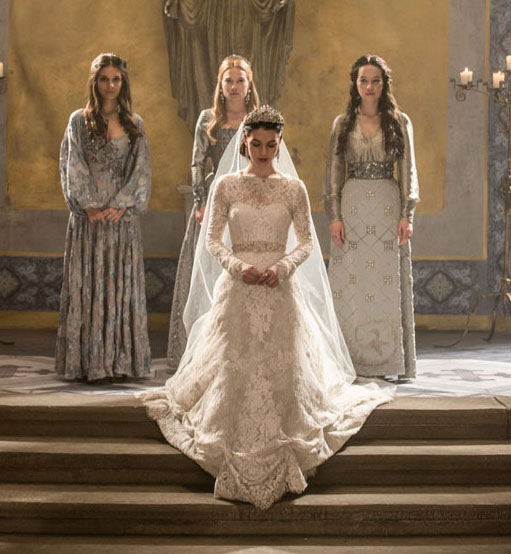
Recent films are also guilty. Pride and Prejudice (2005) is a major offender, as the Bennet sisters run around with wispy unsecured bangs and long, loose hair. It seems unfair for me to target The Tudors and Reign, as the dubious accuracy of those shows’ costuming has been endlessly lampooned, and neither show makes pretensions to historical accuracy.

Consummation
But it’s so hard to resist making fun of the show’s choices. Photo: Frock Flicks, which does a hilarious takedown of Mary’s wedding dress.

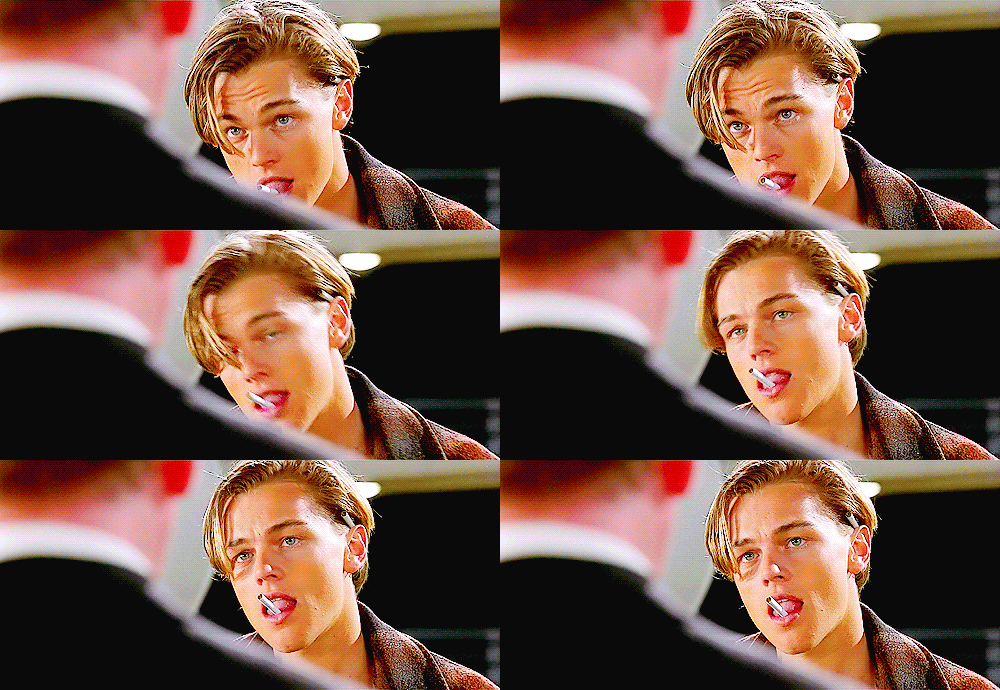
This trend is especially jarring when inconsistently applied in a film. The love interest in the 1996 French film Ridicule has straight hair, thick bangs, and simple make-up, but the unsympathetic characters of the French court look more accurate. A male example from the 90s would be Jack from Titanic, who has boyishly-floppy locks parted in the middle. Villain Cal, however, looks more period-appropriate. Clearly the film creators were okay with maintaining less-flattering historical looks for antagonistic characters, but not heroes.

dce7a58585be99ffc6c0bfa40472b303
Sometimes you gotta toss your anachronistic hair. Photo: Pinterest

This illustrates that anachronistic costuming choices are not necessarily borne from laziness. In addition to making main characters look attractive and sympathetic, inaccurate fashion can also help convey aspects of character. The titular character in Marie Antoinette (2006) owns a pair of Converse sneakers to emphasize that she is a childish teenager. A Knight’s Tale puts leading lady Jocelyn in punk-rock hairstyles to illustrate her rebelliousness.

Anachronistic fashion doesn’t have to be sloppy. But when accuracy is taken into account, the results are worth it.

Take the 1995 Pride and Prejudice miniseries. The tightly-curled hair might look funny at first, but it adds to the detailed Regency environment, the elements of which come together to bring Jane Austen’s world vibrantly to life.

Mad Men is a recent triumphant example. The actors are decked out in proper attire right down to their undergarments, as costume designer Janie Bryant understood how important this detail was to creating 1960s silhouettes. Here, historical accuracy is not exclusive with creativity, as costuming on Mad Men also reflect the characters’ personalities.

7ed92e6043e2640d19855ab5ceb84be0
Lookin’ good! Photo: Pinterest

These examples use costuming not to make the characters look attractive to modern sensibilities, but to fully immerse viewers in the period. If anything else, shouldn’t film be immersive?